TNW TravelTNW Travel

First cruise guide

A simpler way to plan your first cruise

Cruising is one of the easiest vacations to enjoy and one of the most confusing to plan. This page covers what actually matters — and we'll handle the rest.

Start with how you want the week to feel

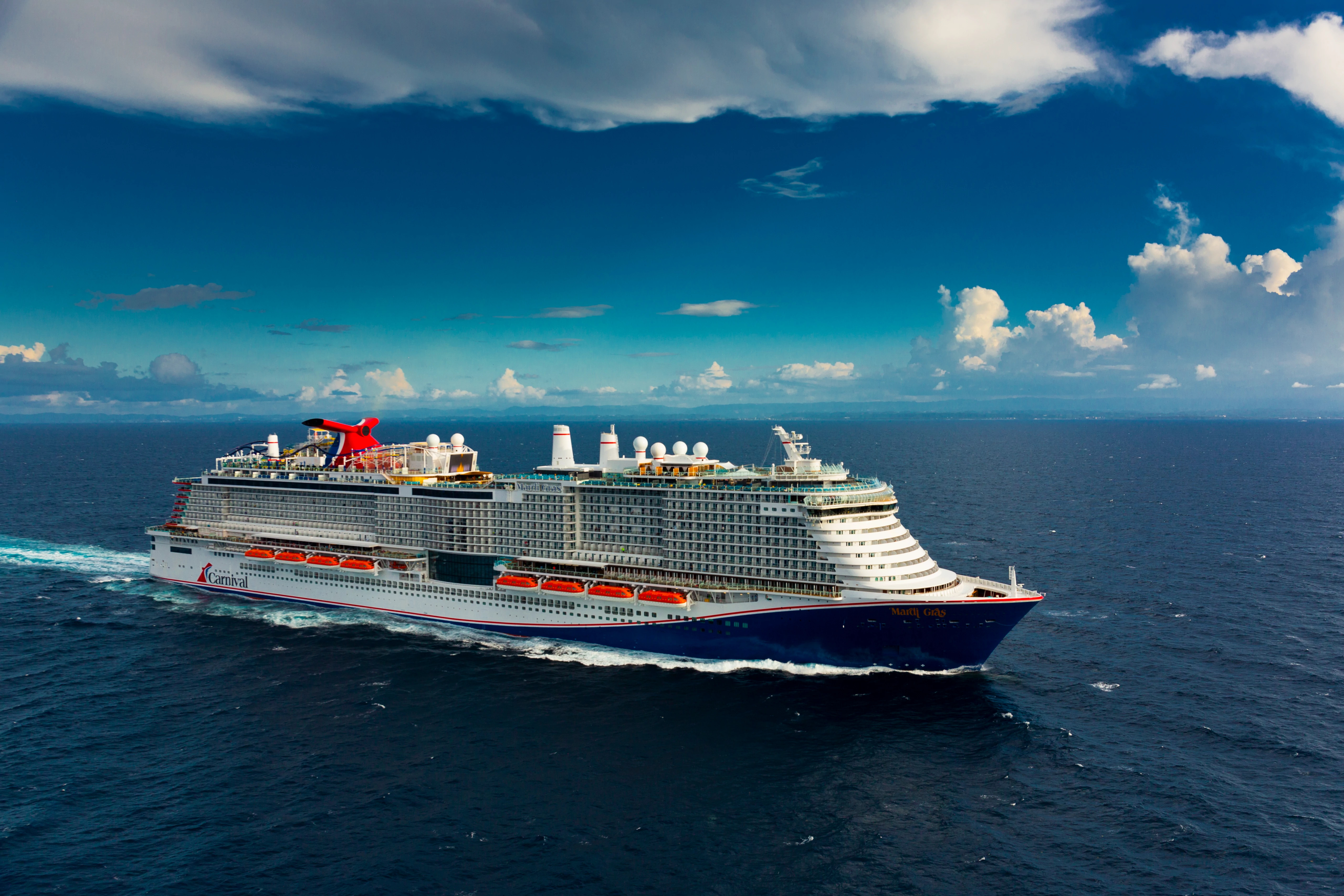
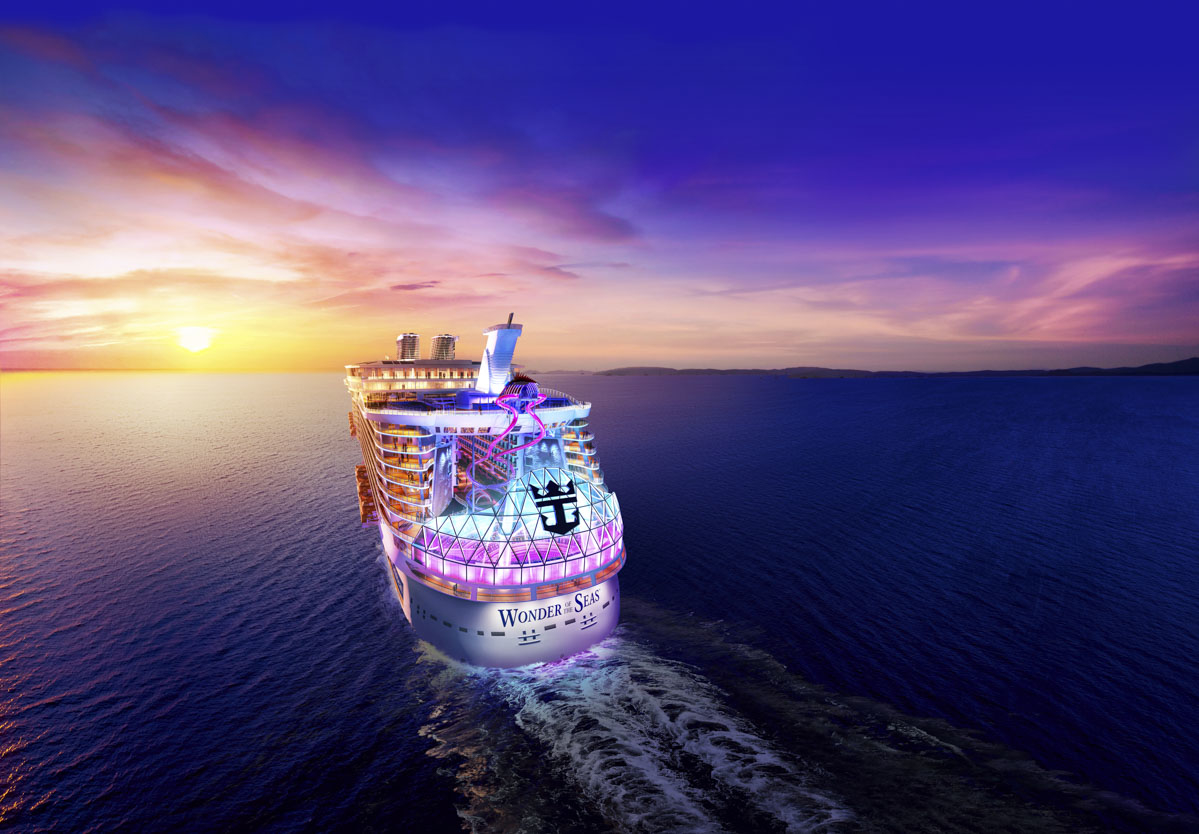
The biggest mistake first-time cruisers make isn't picking the wrong destination — it's picking the wrong ship. Cruise lines vary enormously: lively and family-forward, calm and adult-leaning, port-heavy and active, all-inclusive and luxurious. The same Caribbean week can feel completely different depending on which ship you're on.

Before you look at routes or dates, decide what kind of week you want. Quiet and restful? Active with excursions? Lots of food and entertainment? That answer narrows the field fast.

How cruise pricing actually works

The headline price is usually per person, based on two people sharing a cabin, and excludes taxes and port fees. Once those are added, the real number is typically 15–25% higher than the advertised rate. Beyond that, gratuities, drinks packages, specialty dining, excursions, and Wi-Fi are usually extras.

We always quote you the all-in cost — cruise fare, taxes, fees, and any add-ons we recommend — so there are no surprises.

Cabin types, briefly

Interior cabins have no window. Cheapest option, very dark for sleeping, but you spend little time there.

Oceanview cabins have a window but no balcony. A reasonable mid-tier choice on shorter cruises.

Balcony cabins have private outdoor space. For most travelers this is the sweet spot — the cost difference from oceanview is small in the context of the trip, and a balcony changes the feel of the entire week.

Suites and concierge-level cabins add more space, often a separate lounge, and small perks. Worth it on longer trips and milestone occasions.

Deposits, payment, and cancellation

Most cruise bookings start with a refundable deposit (often $250–$500 per person) to lock in pricing and cabin choice. The balance is due 75–120 days before sailing, depending on the line and itinerary. Cancellation rules tighten as the cruise approaches, so it's worth understanding the timeline up front.

Travel insurance is worth strong consideration, especially for longer or international cruises. We'll explain when it does and doesn't make sense.

What to expect on embarkation day

Plan to arrive in the embarkation city the night before — flight delays on the day of sailing are the single most common way first-time cruisers miss the ship. Boarding usually opens late morning or early afternoon. Bring your passport, your boarding pass, and any pre-trip forms the cruise line emails you.

Once onboard, your cabin is typically ready by mid-afternoon. Most ships do a mandatory safety drill before sailing. After that, you're free.

How TNW Travel makes the first cruise easy

Tell us a little about who's coming, when you want to go, and what kind of trip you're imagining. We come back with two or three real options that fit, with cabin guidance, pricing breakdowns, and notes on which line and ship will actually feel right.

We refine until it makes sense, lock the booking with a small refundable deposit, and confirm everything in writing. You travel with one advisor, not a call center — we're here if anything changes between booking and sailing.

Pricing, availability, taxes, fees, promotions, and itinerary details are subject to supplier confirmation and may change before booking. TNW Travel will confirm details with you in writing before any deposit.

Frequently asked questions

Ready to plan with a real advisor?

Tell us what you're imagining. We'll shape an offer with supplier-confirmed pricing, cabin guidance, and itinerary details.